

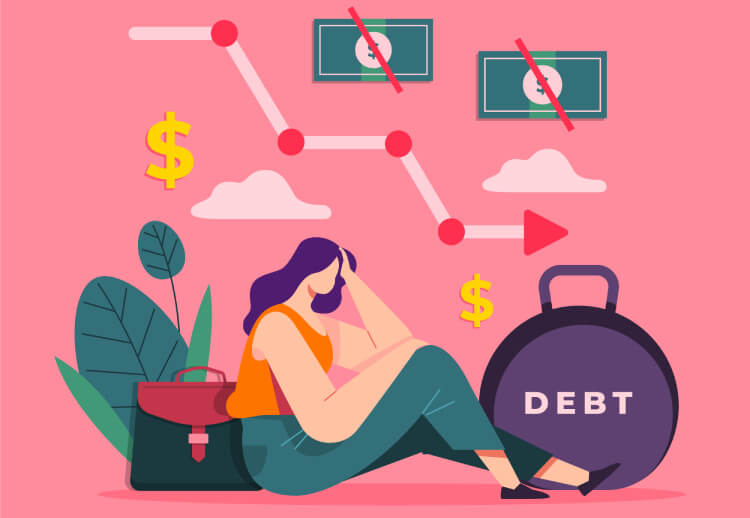
We view debt as a numerical representation on a balance sheet. However, it’s more than that. Debt has the power to alter how people think, feel, and make decisions. Sometimes, a person’s risk perception and future planning would change, especially if debt is overwhelming. In some cases, a person would make short-term solutions instead of long-term ones. Instead of viable progress, they would trade it for immediate relief. This leads to a cancerous cycle of borrowing or making rash decisions to fix their problem.
The financial toll of debt is indeed significant. Unfortunately, the mental and emotional toll of debt is as significant or more. The most common responses are sleepless nights and constant worrying. Along with stress comes guilt and shame. They would blame themselves for falling behind and couldn’t help but compare themselves to other people. In fact, there are instances wherein they would avoid talking about finances with other people. This creates a heavy feeling of isolation, which prevents them from seeking help from other people.
Fortunately, it’s possible to build healthier and more resilient financial behaviour. Just start taking small steps – set clear, realistic goals, track progress, and celebrate every small win. To cope emotionally, start a journal or talk openly with a trusted family member or friend. It can reduce the feeling of guilt and shame while helping restore a positive perspective. Seek out professional help like financial coaches, credit counsellors, and even mental health professionals. They can help untangle the heavy emotions of debt.
Debt should not define how people make decisions. Understanding its psychological impact will help you take active steps in addressing the mental and emotional toll of debt. Doing so will help regain clarity, rebuild confidence, and make smart, intentional decisions.
The financial toll of debt is indeed significant. Unfortunately, the mental and emotional toll of debt is as significant or more. The most common responses are sleepless nights and constant worrying. Along with stress comes guilt and shame. They would blame themselves for falling behind and couldn’t help but compare themselves to other people. In fact, there are instances wherein they would avoid talking about finances with other people. This creates a heavy feeling of isolation, which prevents them from seeking help from other people.
Fortunately, it’s possible to build healthier and more resilient financial behaviour. Just start taking small steps – set clear, realistic goals, track progress, and celebrate every small win. To cope emotionally, start a journal or talk openly with a trusted family member or friend. It can reduce the feeling of guilt and shame while helping restore a positive perspective. Seek out professional help like financial coaches, credit counsellors, and even mental health professionals. They can help untangle the heavy emotions of debt.
Debt should not define how people make decisions. Understanding its psychological impact will help you take active steps in addressing the mental and emotional toll of debt. Doing so will help regain clarity, rebuild confidence, and make smart, intentional decisions.